Darkwing Duck is returning to television, but the most encouraging part of Disney+’s new series is not the familiar name. It is the premise.
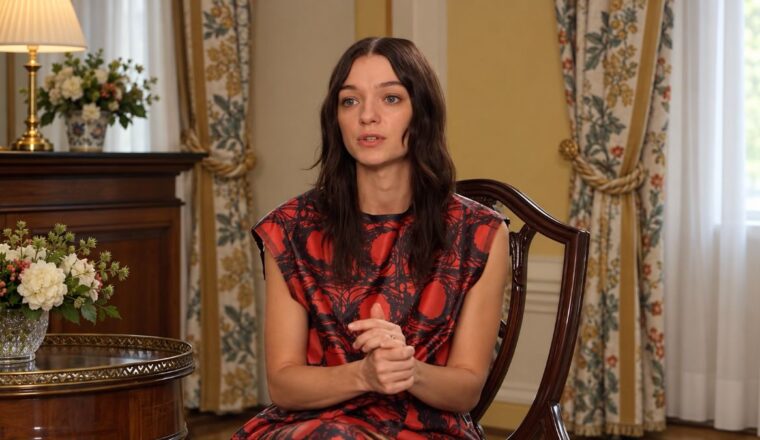
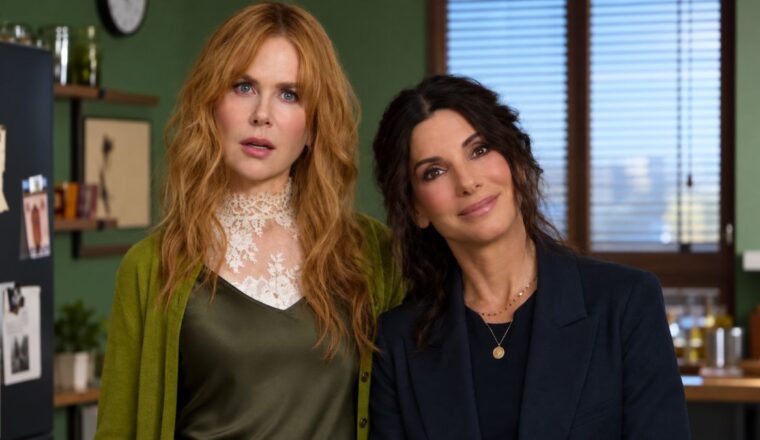
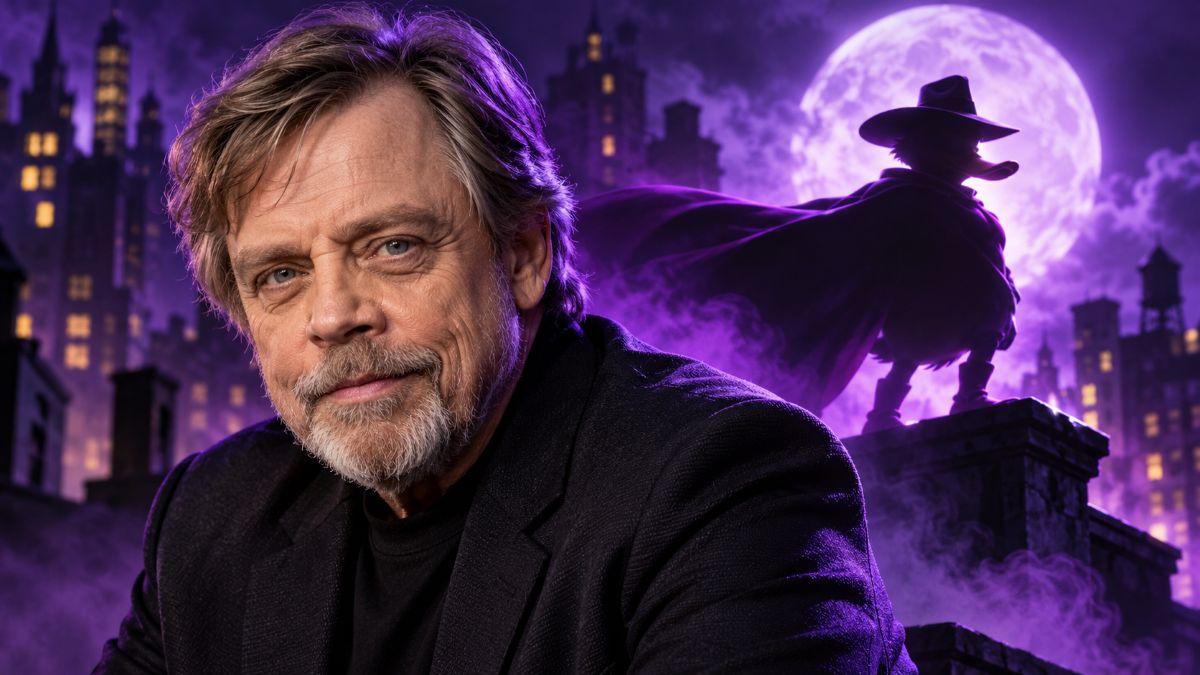
Mark Hamill is set to voice Drake Mallard, the superhero known as Darkwing Duck, in a new continuation that also involves Seth Rogen as an executive producer. Lizzy Caplan, Dan Stevens and Kathryn Newton are among the additional cast announced for the project. Sean Tretta and Borja Peña Gorostegui are executive producers, with original creator Tad Stones consulting.
Nostalgia becomes the actual conflict
The official setup begins with Darkwing trapped for decades in an alternate world where no one has heard of his superhero exploits.
That is a useful twist because it converts nostalgia from a marketing strategy into an actual dramatic problem.
Reviving a childhood property in 2026 comes with an obvious temptation: assume recognition is enough. Show the costume, play the theme, reproduce the catchphrases and invite the original audience to reward the production for remembering what they remember. That can generate an opening weekend or a burst of social conversation. It rarely creates a reason for the revival to exist after the recognition fades.
A Darkwing Duck who expects to be famous and discovers a world that does not know him has to confront the same problem as the series itself. Why should anyone care now?
That can produce comedy because Darkwing has never been famous for humility. The character’s exaggerated confidence is part of the appeal. Taking away his reputation turns every heroic introduction into a potential humiliation. It also gives the new series a way to acknowledge the long history of the property without requiring younger viewers to understand that history first.
Why Mark Hamill fits this version
Mark Hamill is a particularly interesting choice for Drake Mallard. He brings obvious franchise recognition, but voice acting has long been a major part of his career independent of Star Wars. Darkwing requires theatricality: a performer willing to make self-importance funny without making the hero impossible to root for. Hamill has spent years proving he understands how large a voice performance can become before it loses character.
The involvement of Rogen and Point Grey is another signal that Disney is not simply restoring an old animated series to museum condition. Rogen’s producing work has often leaned into properties with existing fan bases while allowing them to become tonally specific rather than reverential. That approach can be useful here because Darkwing Duck was always a parody of superhero seriousness as much as a superhero adventure.
The timing also works in the show’s favor. Superhero entertainment has become so culturally dominant that a character built around theatrical poses, secret identities and exaggerated crime-fighting mythology has more material to satirize than he did in the early 1990s. Darkwing does not need to imitate modern superhero stories. He can be funny because audiences now understand their grammar almost instinctively.
Disney+ needs more than library recognition
Disney+ has another strategic reason to make the revival work. The service has enormous recognition inside the Disney library, but recognition does not automatically create active viewing. A continuation that gives older properties new narrative energy is more valuable than simply placing old episodes in a catalog and hoping nostalgia does the rest.
The announced cast suggests the series is being treated as a substantial project rather than a low-risk library extension. The real test will be whether the writing can serve multiple generations at once. Longtime fans need enough continuity to feel that the character they remember has returned. New viewers need a story that functions without homework.
That is why the alternate-world premise is so promising. It resets the social context without necessarily resetting Darkwing himself. The hero can arrive with all of his history, ego and habits intact, while the surrounding world reacts as if he is a stranger.
In practical terms, that creates a clean pilot engine: Darkwing knows who he thinks he is. Everyone else gets to decide whether they agree.
That is more dramatically useful than another origin story, and more accessible than a continuation that assumes every viewer remembers the mythology.
Nostalgia works best when it creates stakes
Nostalgia works best when it creates emotional stakes rather than replacing them. Disney+ already has the familiar character. The interesting part is that this new Darkwing Duck appears willing to make familiarity itself unstable.
For a hero who loves announcing his own legend, being forced to rebuild that legend from zero may be exactly the reboot he needs.