
Carrie is one of those stories so famous that its ending can overshadow everything that comes before it.
The blood. The prom. The telekinesis. The revenge. Those images have become cultural shorthand, repeated through multiple adaptations of Stephen King’s first novel and decades of horror references.
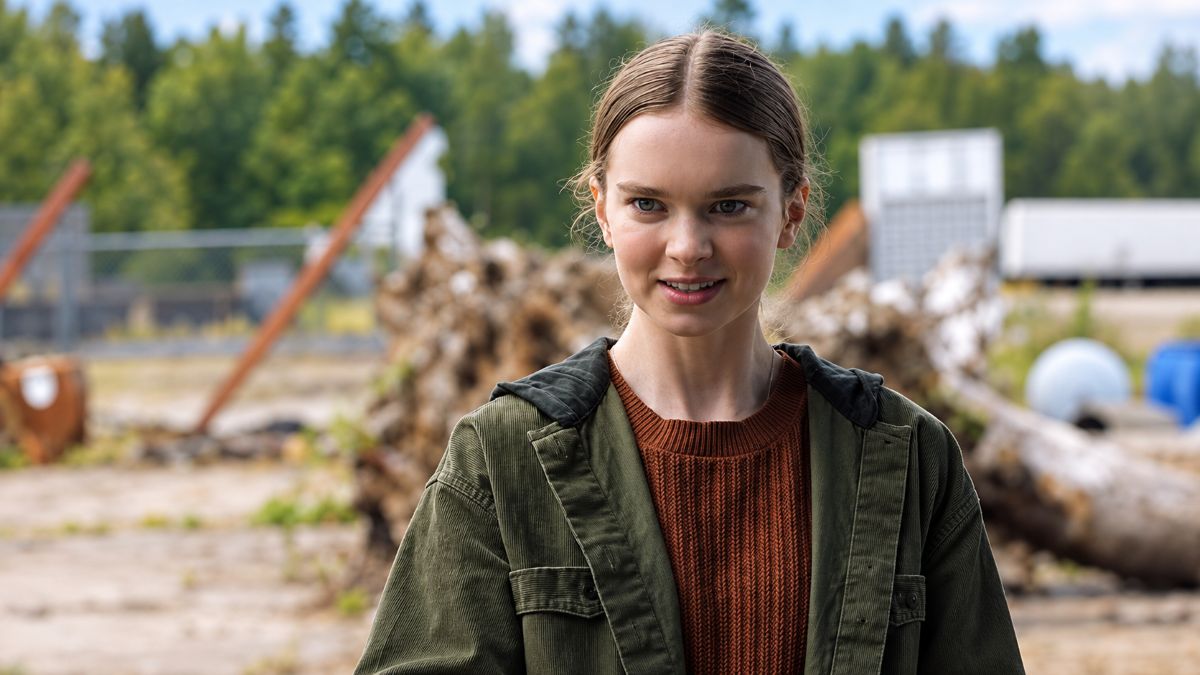
Prime Video’s new Carrie series, which arrives October 7 with all eight episodes, has one advantage no previous screen version possessed in quite the same way: time.
The story has always been bigger than the prom
Mike Flanagan’s adaptation is the first television-series version of Carrie. That format allows the story to spend more time on the ecosystem around Carrie White rather than racing toward the sequence everyone knows is coming.
Prime Video’s description emphasizes a public-school environment shaped by viral bullying and social-media cruelty. That update is obvious on paper, but it can become meaningful if the series treats digital humiliation as part of the architecture of Carrie’s isolation rather than a modern accessory placed on top of a familiar plot.
The tragedy of Carrie has never simply been that a bullied teenager discovers dangerous powers. It is that nearly every institution around her fails before those powers become catastrophic. Home is oppressive. School is cruel. Adults recognize pieces of the problem but cannot stop the cycle. The supernatural explosion only arrives after a long chain of ordinary human failures.
Eight episodes create room for everyone else to matter
A feature film has to make ruthless choices. Secondary characters become functions: the bully, the guilty classmate, the sympathetic teacher, the abusive parent. Television can complicate those roles.
That matters because Carrie becomes more disturbing when the people around her are not cartoons. Cruelty is easier to dismiss when villains are simply monsters. It becomes harder when classmates are insecure, performative, frightened or desperate to maintain status. The same is true of adults who may genuinely want to help while still misunderstanding the scale of the danger.
Flanagan has built much of his television work around the idea that horror becomes stronger when the audience has time to understand the emotional damage underneath it. That makes him an unusually logical filmmaker for this material.
The danger is that familiarity can flatten suspense
There is also a problem with giving Carrie more time: audiences already know where the road leads.
That means the series cannot rely entirely on plot suspense. It has to create dread from inevitability. Viewers may know the broad shape of the catastrophe, but they should still hope, episode by episode, that someone will make a different choice. The most effective version would make the audience feel the tragedy approaching while still believing, irrationally, that it can be avoided.
The series also has to resist stretching recognizable material simply because eight episodes are available. More runtime only helps if the additional scenes deepen relationships, sharpen themes or make the social world more specific. Padding would be particularly damaging to a story whose emotional power depends on pressure building steadily toward rupture.
Flanagan’s real opportunity is to make Carrie a person again
Iconic horror characters often become symbols before they remain people. Carrie White is especially vulnerable to that problem because the final images are so famous. She can be reduced to blood, rage and supernatural violence.
A television adaptation has the chance to restore the ordinary girl underneath the iconography. That does not mean making her harmless or sanding away the horror. It means showing enough of her hopes, embarrassment, loneliness and confusion that the final transformation feels like the destruction of a person rather than the activation of a horror-movie mechanism.
Summer H. Howell was selected after a large casting search, and the series surrounds her with performers including Samantha Sloyan, Amber Midthunder and Matthew Lillard. The ensemble suggests Prime Video is treating the world around Carrie as more than background.
That is what could justify another adaptation. The story does not need a larger bucket of blood or a more elaborate prom. It needs enough room to remind viewers why the ending is tragic before it becomes terrifying.
For the first time on screen, Carrie has eight episodes to do exactly that.
There is another advantage to the series format: it can make the town feel complicit. King’s story is not only about one family and one school. It is about a community that watches cruelty happen in plain sight and reacts too slowly. Social media gives the new version a believable mechanism for making humiliation public and permanent, but the series still has to show the people who amplify, ignore or rationalize it.
That wider perspective could make the telekinesis feel less like an isolated supernatural twist and more like the final rupture in a social system that has been pushing Carrie toward disaster all along.
That is especially important for a story audiences think they already know. A fresh adaptation cannot depend on surprise at the destination; it has to create new meaning in the route. If Flanagan can make the classmates, teachers and home life feel fully inhabited, the familiar ending may become more painful precisely because viewers understand how many chances there were for things to go differently.



Join the Conversation
Share your take on this story. Keep it relevant, respectful and on topic.