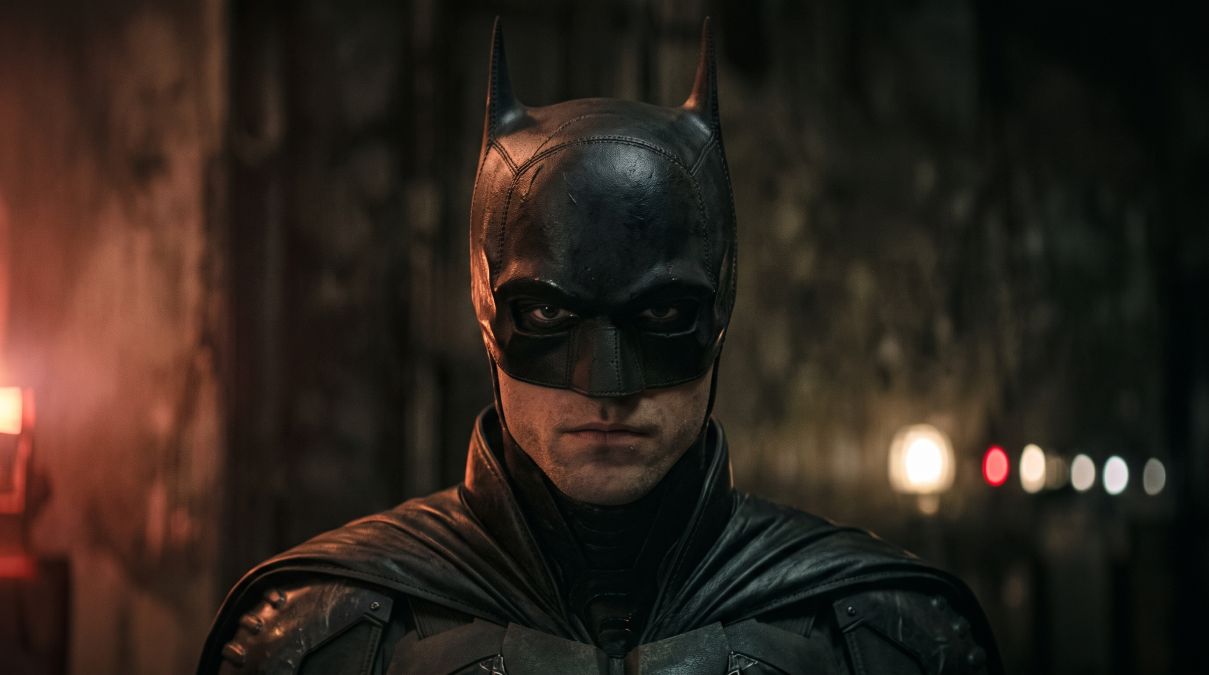
The Batman gave Matt Reeves and Robert Pattinson a problem that every successful reinvention eventually creates: once the new approach works, the easiest sequel is to repeat it.
More rain. More corruption. Another serial killer. Another investigation that pushes Bruce Wayne deeper into Gotham’s decay. The same texture, the same mood and a villain designed to fit comfortably inside the world the first movie established.
A sequel that refuses the safest move
Pattinson is now signaling that The Batman: Part II is not taking that route. He has described the sequel as highly ambitious and said it makes a “real left turn” from the first film while somehow retaining the feeling that made Reeves’ 2022 movie distinctive. The film is currently scheduled for February 18, 2028.
That is exactly what a sequel to The Batman should be trying to do.
The first movie’s greatest achievement was not simply that it was dark. Batman has been dark on screen before. Reeves built a version of Gotham with a specific rhythm: patient, grimy, procedural and almost tactile. Pattinson’s Bruce was not yet the polished billionaire balancing two identities with perfect control. He was a man who had disappeared into the mission so completely that he had not yet learned what the symbol might mean beyond fear.
Repeating the surface of that film would be easy. Advancing the character requires disruption.
Gotham has room for more than one kind of story
A “left turn” can mean almost anything at this stage, and Pattinson was careful not to reveal plot specifics. But the phrase is encouraging because the Batman mythology is broad enough to support radically different genres without losing its identity. A sequel can be more political, more psychological, more intimate, more fantastical or more focused on Bruce Wayne’s public life while still belonging unmistakably to Reeves’ Gotham.
The key is preserving rules rather than repetition. Audiences need to believe this is the same city and the same Bruce. They do not need to watch the same dramatic structure again.
That is one reason The Dark Knight remains such a useful model for sequel ambition. Christopher Nolan did not simply make Batman Begins with a more famous villain. The sequel widened the scale, altered the energy and changed the moral problem. It still belonged to the same world, but it felt like the next stage of the argument rather than another example of the original formula.
Reeves has room to do something similar because the first film deliberately left Bruce unfinished. By the end, he understands that vengeance alone cannot be the entire mission. That realization creates a natural opportunity for the sequel to change what kind of Batman story this is. A hero trying to become a symbol of hope has different problems from a vigilante who is content to terrify criminals at night.
It also creates a reason to use Bruce Wayne differently. The first movie minimized the glamorous public persona associated with many previous versions of the character. That made sense for a Bruce who had withdrawn from ordinary life. If Part II is truly moving somewhere new, forcing him into the public world could be more destabilizing than simply putting a more dangerous criminal in front of him.
Change is risky, repetition is worse
There is always risk in changing a successful formula. The first film earned its audience partly because the tone was so controlled. A sequel that becomes bigger merely for the sake of being bigger could dilute what made Reeves’ approach compelling. “Ambitious” is only encouraging if the ambition is dramatic rather than just logistical.
But the opposite risk is greater. Batman is one of the most repeatedly adapted characters in popular culture. Familiarity is already built into the property. A filmmaker working with Batman has less reason than almost anyone to protect a formula simply because it worked once.
The best sequel makes the first movie feel like chapter one
The best case for The Batman: Part II is therefore not that it gives audiences more of The Batman. It is that it makes the first movie look, in retrospect, like the necessary first movement of a larger transformation.
Pattinson’s description suggests Reeves understands that challenge. Keep the weather. Keep the moral rot. Keep the emotional seriousness and the sense that Gotham is a physical place rather than a digital backdrop.
Then make a different movie.
For a character who has survived this many versions, the safest move may be the one most likely to make him feel old again. A real left turn is how Reeves has a chance to keep his Batman new.