A Hundred Percent starts with a premise that is almost too current to require explanation: a group of friends makes a living inside the “thought-leader” economy, selling other people systems for perfect mornings, better habits, cleaner minds and more optimized lives while their own existence is considerably less organized.
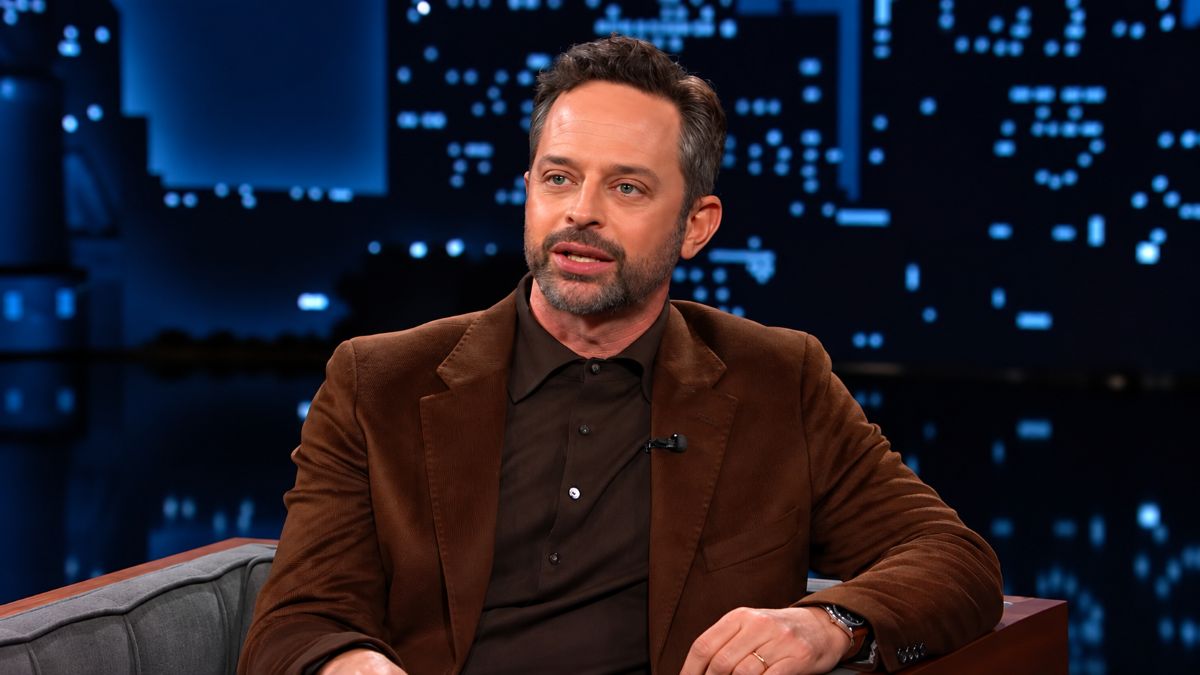
Netflix’s new half-hour comedy is written by Nick Kroll and Gabe Liedman and stars Kroll alongside Sam Richardson, Jason Mantzoukas and Vanessa Bayer. Diane Lane, Tiffany Boone and Lisa Gilroy are also part of the ensemble. The series has finished filming in Los Angeles, and that production choice gives the project a second layer of relevance beyond the jokes it is preparing to make about podcasts, wellness branding and professional self-improvement.
A comedy built for the optimization era
Hollywood is full of shows about people pretending to be more successful than they are. A Hundred Percent updates that comic engine for an era in which success itself has become content. The modern thought leader does not merely have a career. The career is explaining the career, packaging the habits behind the career and selling the audience a repeatable system for achieving some version of the same result.
That creates an unusually rich comedy target because the gap between public certainty and private chaos is built into the profession. The characters can give authoritative advice in a studio at 10 a.m. and completely fail to follow it by dinner. Their friendships can function as both real relationships and potential collaborations. A personal crisis can be emotionally devastating while also raising the uncomfortable question of whether it would make a good episode.
Kroll, Richardson, Mantzoukas and Bayer are particularly well suited to that contradiction. All four performers can play people who are absolutely convinced of a terrible idea. More importantly, they can make self-delusion sympathetic enough that the joke does not become simply pointing at ridiculous people. A show about the attention economy needs characters who understand how to manufacture confidence even when they have none.
The Los Angeles setting should give the satire additional texture. The city is one of the natural capitals of the professional-personality business: entertainment, wellness, technology, branding, podcasts and entrepreneurial self-invention overlap constantly. The joke does not have to invent an artificial world in which personal optimization is treated like an industry. It only has to turn the volume slightly higher on one that already exists.
Why filming in Los Angeles matters
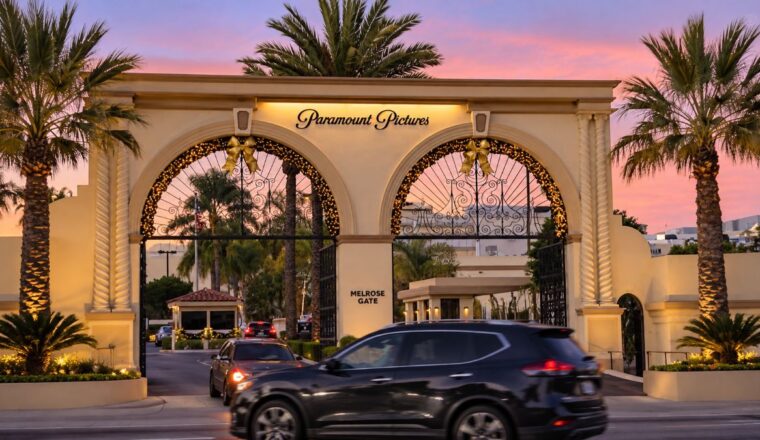
There is also a practical reason the location matters. Film and television production in Los Angeles has become a persistent concern for crews, vendors, policymakers and creators as projects migrate to other states and countries offering competitive incentives and lower costs. Variety reported Kroll making an explicit case for productions to shoot in Los Angeles, arguing that bringing work back has a broader effect on the life of the city.
A Hundred Percent is not going to solve that problem by itself. No single Netflix comedy can. But production ecosystems are built from accumulation. A television series employs far more people than the cast whose names appear in announcements: camera crews, production assistants, costume departments, caterers, drivers, set builders, location teams, hair and makeup artists, editors, post-production workers and dozens of businesses that support them.
That means where a show films is not merely a line in a press release. It is an economic decision with a local footprint.
The irony is almost perfect for A Hundred Percent. The series is satirizing people who turn lifestyle into an industry while participating in an industry whose physical location has become a major question. The characters may sell digital expertise untethered from place, but the television show itself still needs actual streets, stages, crews and infrastructure.
Netflix says filming is complete, while production listings placed the shoot in Los Angeles through the summer. That gives the series a chance to look like the city it is actually about rather than a version of Los Angeles reconstructed somewhere cheaper. For a comedy rooted in recognizable cultural behavior, authenticity of place can do invisible work. A coffee shop, office courtyard, wellness studio or podcast set can feel more precise when the production is surrounded by the ecosystem it is mocking.
The satire has to outlive the trend
The other reason to watch A Hundred Percent is that the “thought-leader industrial complex” is still evolving faster than television can parody it. The vocabulary changes every few months. Platforms rise and fade. One year’s productivity guru becomes the next year’s cautionary tale. That can make topical comedy age quickly.
The series will need to aim below the surface trends. The durable joke is not whether a character uses a specific app or repeats a specific wellness phrase. It is the human desire to appear certain, successful and in control — and the market that forms whenever people believe someone else has discovered the formula.
That is a much older impulse than social media. The platforms simply industrialized it.
The deeper joke is about selling certainty
If A Hundred Percent understands that, it can become more than a collection of influencer jokes. It can be a workplace comedy about friendship in an environment where every experience is potentially monetizable and every vulnerability risks becoming material.
And if it succeeds while looking unmistakably like Los Angeles, the show may end up making another argument without needing to say it aloud: sometimes the entertainment industry’s best reason to stay in Hollywood is that Hollywood is still part of the story.