
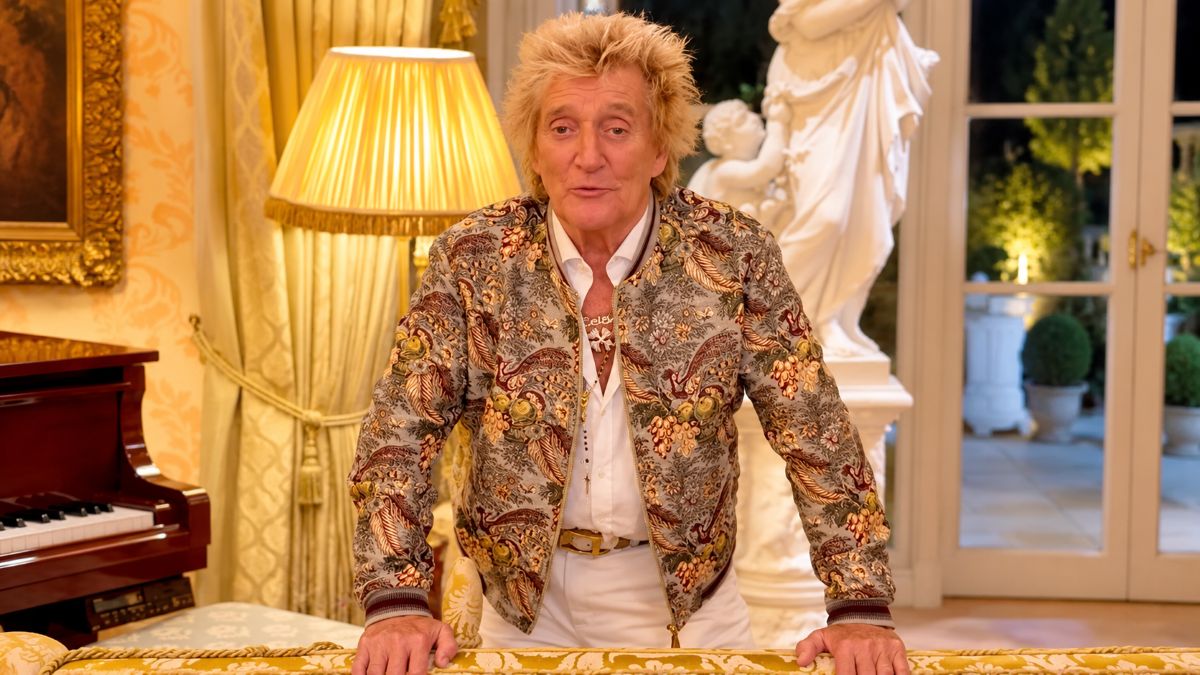
Rod Stewart has announced what he calls his final rock and roll tour, and the most important part of the announcement may be the sentence that follows it.
He is not retiring.
The 2027 Final Encore Tour is scheduled as a 21-date European run beginning in Dublin on April 23 and ending in Hannover on July 24, with additional U.S. dates around the European leg. Stewart has described the tour as his last major rock and roll road run while leaving the door open to music, appearances and other performances afterward.
That distinction places him inside a growing category of veteran stars who are not leaving the stage so much as renegotiating the scale of what touring requires.
The farewell tour has changed meaning
For decades, a farewell tour was marketed like a full stop. Buy the ticket now because this is the last chance.
Modern touring has made that promise more complicated.
Artists live longer. Careers last longer. Residencies provide alternatives to months on the road. Festivals offer one-off appearances. Streaming keeps catalogs active enough that a musician can remain culturally present without releasing a new album every year.
As a result, “final tour” increasingly means final version of this particular machine.
That is what Stewart appears to be saying.
He is stepping away from the extended rock-tour cycle, not promising never to sing in public again.
The timing makes the decision feel practical rather than theatrical
The announcement follows a period in which Stewart canceled shows after undergoing a heart procedure. His team said he received a coronary stent and was doing well, while some scheduled performances were removed from the calendar.
There is no need to speculate beyond what Stewart and his representatives have publicly said. The relevant fact is that touring at this level is physically demanding even for artists decades younger.
A final large-scale run gives Stewart control over the transition.
Instead of waiting for the road to become impossible, he can frame the last major tour as an event, choose the markets, build the production around the moment and thank audiences on his own terms.
That is a stronger ending than quietly reducing dates until everyone eventually notices.
Catalog artists no longer need touring to remain visible
Stewart also belongs to a generation of stars whose songs are now detached from the original release cycle.
“Maggie May,” “Da Ya Think I’m Sexy?” and the rest of his catalog live across playlists, films, television, radio and social clips. Younger listeners can encounter the songs without knowing what year they were released.
That changes retirement economics.
A veteran artist can stop doing fifty-city runs and still have an active commercial and cultural life. Catalog streams continue. Licensing continues. Reissues continue. Special performances continue.
The final tour therefore becomes less about vanishing and more about ending the most exhausting version of the job.
A good goodbye does not have to close every door
The phrase “one last time” is powerful because fans understand what it asks them to do: show up.
But Stewart is also being careful not to turn that emotion into a promise he may not want to keep. He has explicitly separated touring from retirement.
That honesty is useful.
Music history is full of farewell tours followed by reunions, comeback runs and special appearances. Audiences often joke about it, but the reality is simple: artists can sincerely decide they are finished with touring and later discover they still want to perform under different conditions.
The Final Encore Tour can be meaningful without pretending the future is legally closed.
For fans, the event is still real. It is the last planned opportunity to see Stewart operate in the full rock-tour mode that defined so much of his career.
For Stewart, it is a way to reduce the road without reducing the music.
That may be the most realistic version of retirement a lifelong performer can offer.
The announcement also reflects how touring itself has changed. Large productions now involve enormous crews, transportation costs, insurance, rehearsals and long stretches away from home. For artists who have spent decades on that cycle, reducing touring can be a lifestyle decision as much as an artistic one.
Fans sometimes hear “final tour” and assume it means the end of spontaneity. In reality, ending the obligation of a formal world tour may make smaller appearances easier. A benefit concert, television performance or one-off residency does not require recreating the logistical machine of a multi-month itinerary.
The economics of scarcity also work in Stewart’s favor. Calling this the final large rock tour turns ordinary tour stops into milestones, which can increase demand without requiring him to claim that every future performance is impossible. It is a cleaner promise: this specific chapter is ending. The goodbye can be real without being absolute.




Join the Conversation
Share your take on this story. Keep it relevant, respectful and on topic.