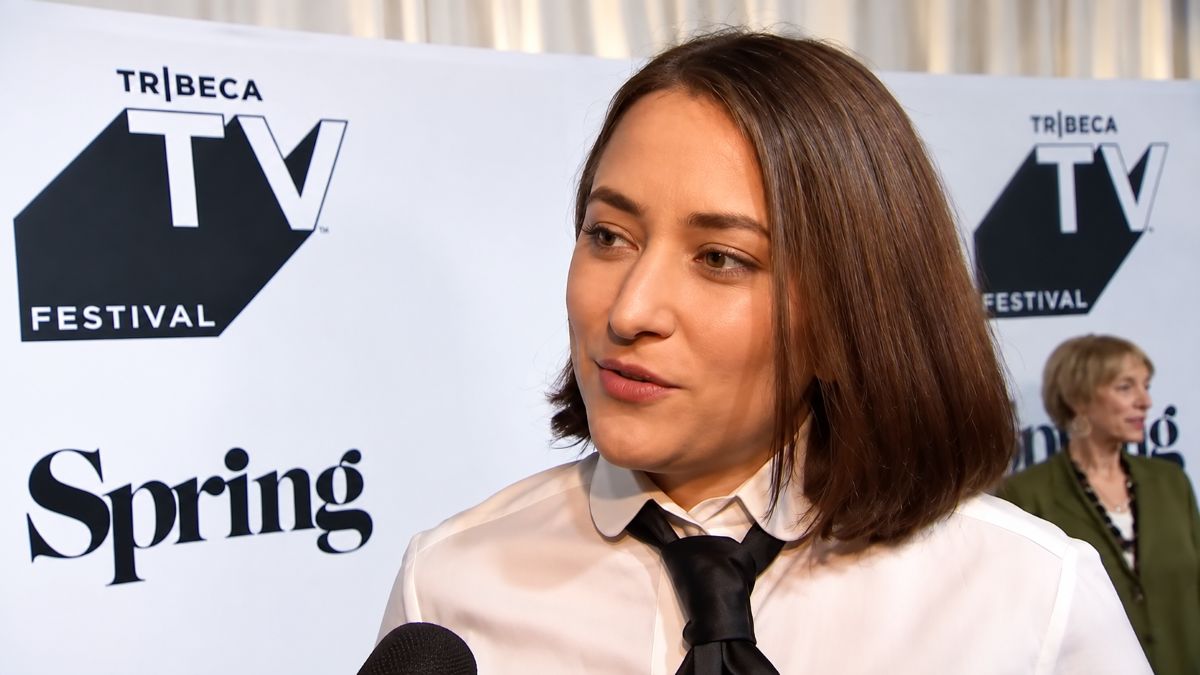
Zelda Williams has once again asked people to stop using artificial intelligence to make her late father say things he never said.
The filmmaker responded this week to a circulating video that purported to show Robin Williams discussing conspiracy theories. She said the clip was clearly AI-generated and criticized both the creator and people presenting it as authentic. Her message was not simply that the fake was technically unconvincing. It was that her father should not be turned into a digital puppet because he is no longer here to object.
That distinction is what makes the episode larger than one bad deepfake.
A celebrity likeness can now outlive consent
Robin Williams died in 2014, before the current wave of consumer generative-AI tools made it easy for ordinary users to imitate a famous person’s face or voice. The technology has created a new kind of afterlife for public figures: one in which they can appear to endorse ideas, tell jokes, perform scenes or deliver political messages that never existed.
For audiences, the temptation is obvious. A beloved performer can seemingly return. For families, estates and creative collaborators, the experience can be entirely different. A recreation can look like tribute to the person who made it and like appropriation to the people who actually knew the subject.
Williams has been consistent on that point. Last year she asked people to stop sending her AI videos of her father. In August, she and her siblings Zak and Cody revived Robin Williams’ official Instagram account in part to create a trusted place for authentic material and push back against what they described as widespread AI misuse of his image and voice.
The problem is not solved by making the fake more convincing
Much of the public conversation around deepfakes focuses on detection: Was the lighting wrong? Did the voice sound robotic? Can a watermark identify synthetic media? Those questions matter, but they are not the only ethical issue.
A perfectly convincing fabrication would still raise the core question Williams is pointing toward: who gave permission for a dead person to become the spokesperson for a new message?
That problem becomes particularly serious when the synthetic clip is attached to controversial claims. The fame and emotional credibility of the person being imitated can make the message more persuasive precisely because viewers already trust the face and voice.
In that sense, celebrity deepfakes are not merely fan edits. They can borrow authority.
Hollywood is heading toward a rights fight that will not stay theoretical
Performers and unions have already pushed for protections around digital replicas, but the technology is moving faster than any single contract or platform policy. Studios can negotiate with living actors. Viral creators operating across social platforms are a much harder system to police.
For estates, the issue mixes intellectual property, publicity rights, platform enforcement and basic questions of dignity. The rules also vary by jurisdiction, making a universal standard difficult.
That is why Williams’ repeated objections matter. They provide a human description of a problem that can otherwise sound abstract. A synthetic celebrity is not simply a bundle of pixels trained from public material. It can also be somebody’s parent, sibling or partner — a real person whose absence is being turned into raw material.
The latest Robin Williams clip will eventually disappear into the social feed. The larger question will not. As AI-generated video becomes easier to make and harder to distinguish from reality, entertainment culture will have to decide whether “public figure” means “permanently available for anyone to perform through.”
Zelda Williams’ answer is clear: it should not.